

Table of Contents
- Enhanced Navigation and Safety
- Increased Efficiency and Performance
- Improved Communication Systems
- Durability and Corrosion Resistance
- Environmental Sustainability
- Customization and Modular Designs
- Integration of Smart Technologies
- Conclusion
Advancements in marine hardware have dramatically transformed recreational boating and commercial marine operations alike. Today’s hardware delivers superior reliability, performance, and user experience, providing numerous advantages for vessel owners and operators. Whether outfitting a brand-new boat or upgrading existing systems, making the switch to new-generation equipment is a decision that pays off in the short and long term. For boaters seeking high-quality solutions, suppliers like Barnegat Lighting Marine Products have become staples for delivering industry-leading marine products.
From electronic advancements to resilient building materials, modern marine hardware streamlines safety and operational efficiency across all vessel types. The integration of new technologies and modular designs is not just a trend but a necessity for those seeking to stay ahead of regulatory requirements and environmental demands.
Upgraded systems improve navigation, enhance durability against marine elements, and feature advanced communication for greater peace of mind on the water. These improvements mean that boaters are better equipped to handle unpredictable conditions and extend the lifespan of their investment.
The importance of staying current with marine hardware stretches beyond convenience; it’s essential for maintaining compliance with environmental regulations and adapting to the increasingly smart world of marine navigation. Equipping your boat with modern innovations helps you minimize environmental impact while maximizing enjoyment and safety.
Enhanced Navigation and Safety
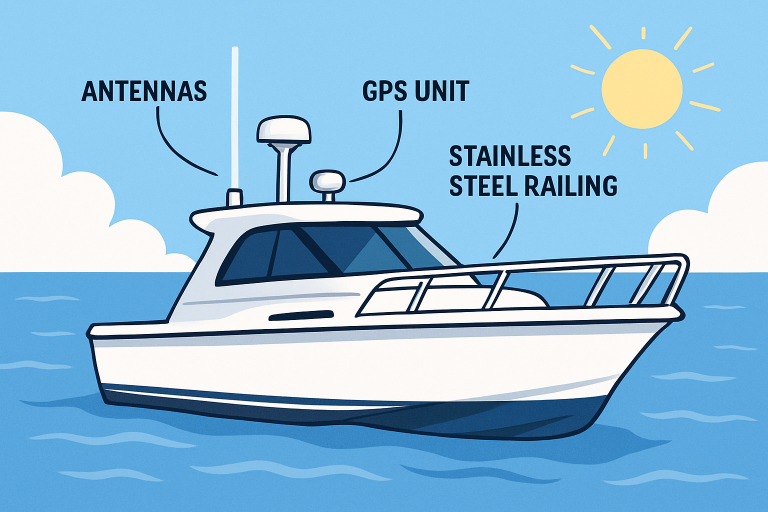
Precise navigation and reliable safety systems are the cornerstone of modern marine operations. GPS chartplotters, electronic compasses, and radar technology now deliver real-time data about position, speed, water depth, and nearby hazards. These solutions minimize human error by providing instant, precise situational awareness. According to a comprehensive Boating Magazine article, integrating modern electronics can significantly reduce the risk of accidents, even in challenging weather or unfamiliar waters. Additionally, many safety systems now feature automated distress signals and integrated emergency location transmitters, ensuring rapid rescue response when it matters most.
Increased Efficiency and Performance
Modern marine hardware directly contributes to smoother and more cost-effective voyages. Electronic engine controls dynamically optimize throttle, trim, and gear-ratio settings to match real-time sea and weather conditions. Fuel monitoring systems help operators track consumption, making it easier to travel further on less fuel. These tools not only reduce operational expenses but also extend the lifespan of engines and propulsion systems, directly benefiting the bottom line and the environment.
Improved Communication Systems
Advanced communication is essential in marine environments, where unpredictable situations can arise rapidly. Modern VHF radios, coupled with Digital Selective Calling (DSC), facilitate instantaneous direct contact with nearby vessels and emergency services. Satellite communications now provide coverage well beyond the range of terrestrial radio, supporting everything from weather updates to remote diagnostics of onboard systems. These advances improve safety, enable coordinated travel, and help avoid costly delays. As covered by Yachting Magazine, integrating modern communication hardware is a best practice for today’s mariners.
Durability and Corrosion Resistance
The relentless marine environment demands the use of highly durable, corrosion-resistant materials. Stainless steel and marine-grade alloys are commonly used for key components like cleats, fasteners, railings, and anchor fittings. Their resilience against saltwater and humidity dramatically extends hardware lifespan and reduces maintenance. For boat owners, this means less time and money spent on repairs and more confidence in critical components, especially during long-haul trips. Choosing quality materials pays off with fewer replacements and reliable operation under even the harshest conditions.
Environmental Sustainability
Efficiency gains from modern marine hardware are critical to supporting environmental sustainability. Electric motors, LED navigation lights, and energy management systems reduce both noise and emissions. These components are designed to minimize the vessel’s ecological footprint by operating only as needed and maximizing resource use. Responsible hardware choices, such as solar-powered equipment and efficient bilge pumps, further lower pollutant output and support global efforts to preserve marine ecosystems. For more on sustainable boating practices, visit the NOAA Ocean Service resource hub.
Customization and Modular Designs
Versatility is the hallmark of next-generation marine hardware. Modular components such as solar arches, custom railings, and davit systems give boat owners flexibility to adapt quickly for recreational cruising, fishing trips, or long-haul voyages. The ability to swap out or reconfigure equipment for new purposes saves time and money, streamlining future upgrades without the need for full replacements or redesigns. This modular approach empowers boaters to keep pace with technological developments and adapt their vessels to changing needs.
Integration of Smart Technologies
IoT sensors and smart marine systems have reshaped boat monitoring and maintenance. Real-time data streams covering performance metrics, part wear, and environmental conditions enable predictive maintenance and early issue detection. Smart hardware can alert the captain to necessary repairs before a breakdown occurs, substantially reducing downtime and repair costs. Increasingly, these technologies can be remotely accessed via phones or tablets, adding an extra layer of convenience and safety for modern boaters.
Conclusion
The continuous evolution of marine hardware is critical for today’s demanding maritime industry. Whether seeking to improve onboard safety, boost performance, or lower environmental impact, investing in quality, modern equipment makes a tangible difference. As hardware progresses, boaters who embrace these changes are rewarded with more reliable, efficient, and enjoyable experiences on the water. Keeping your vessel up to date with the latest innovations ensures not just compliance and sustainability, but also peace of mind on every voyage.